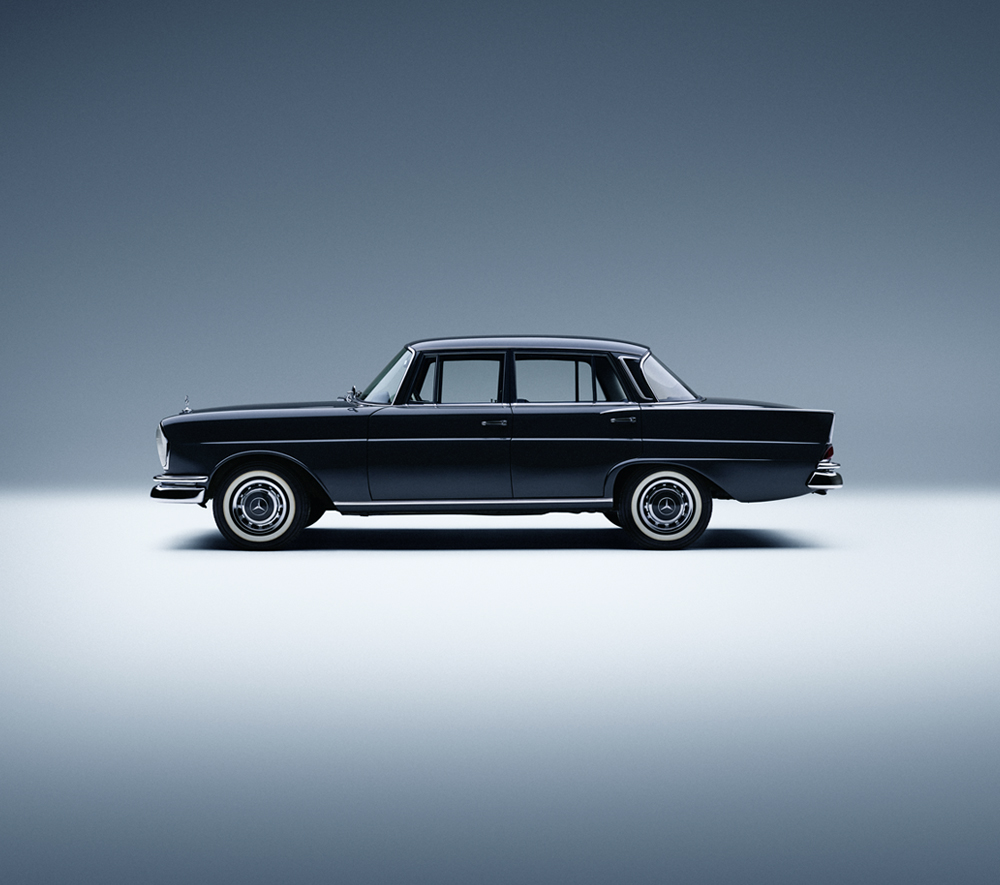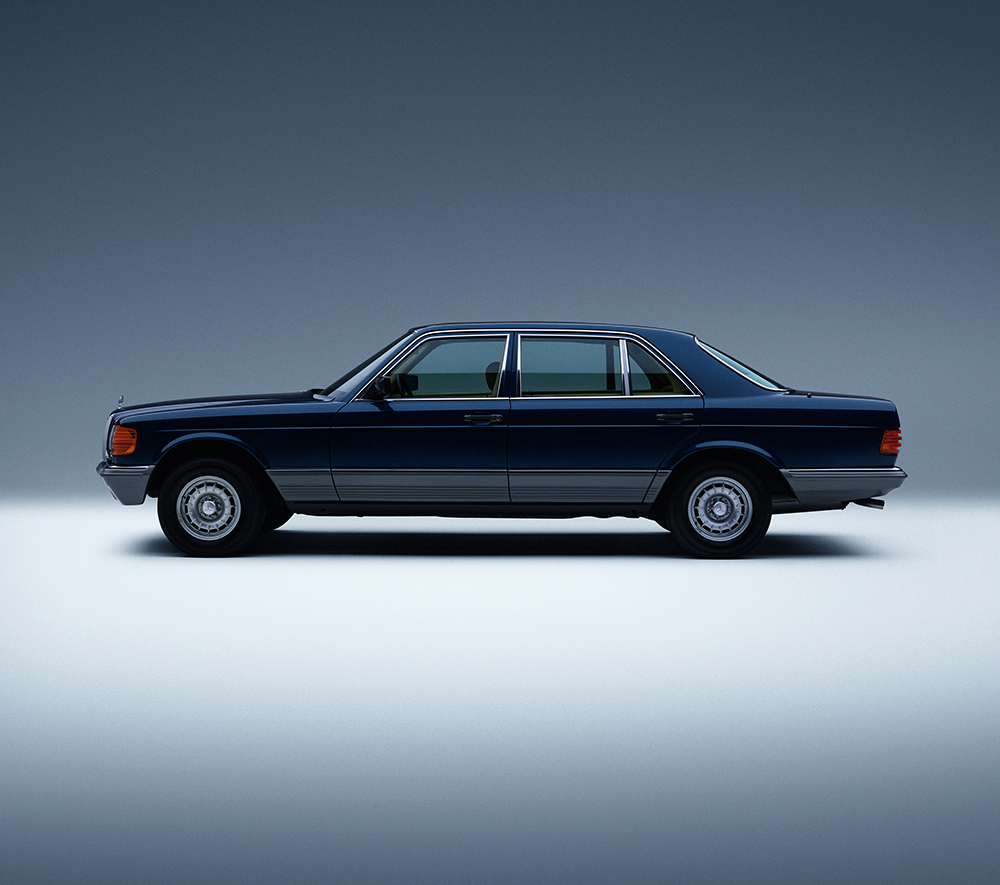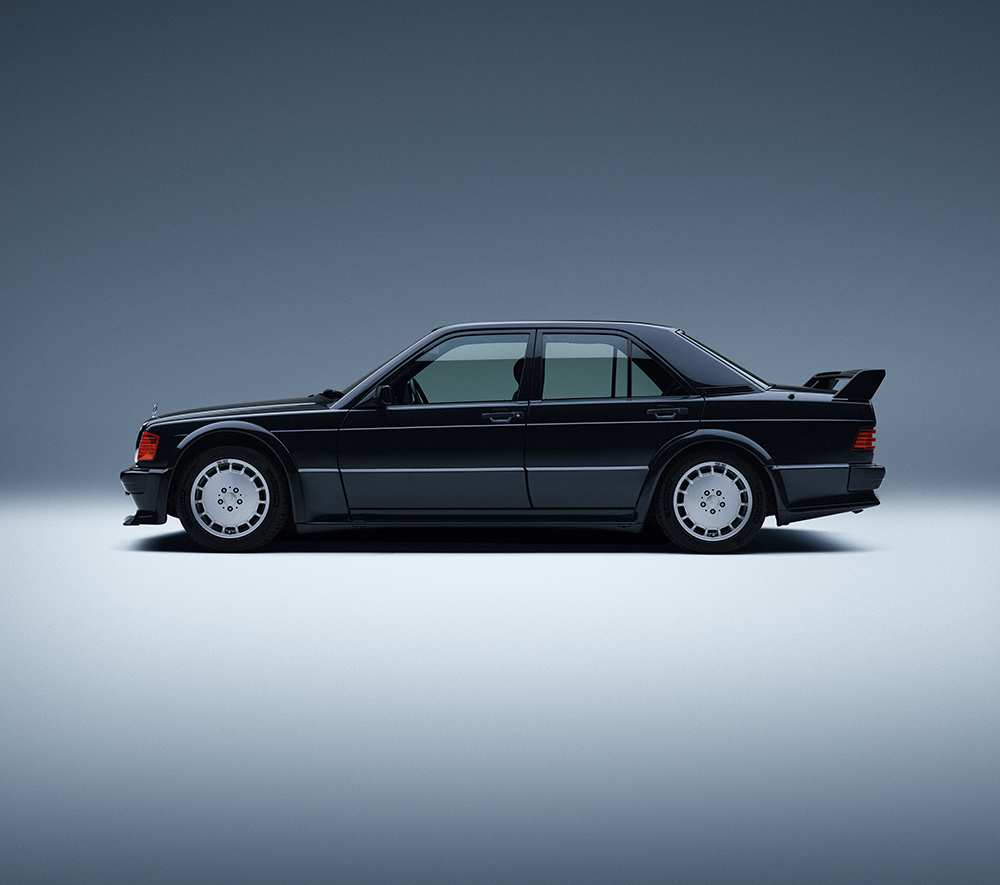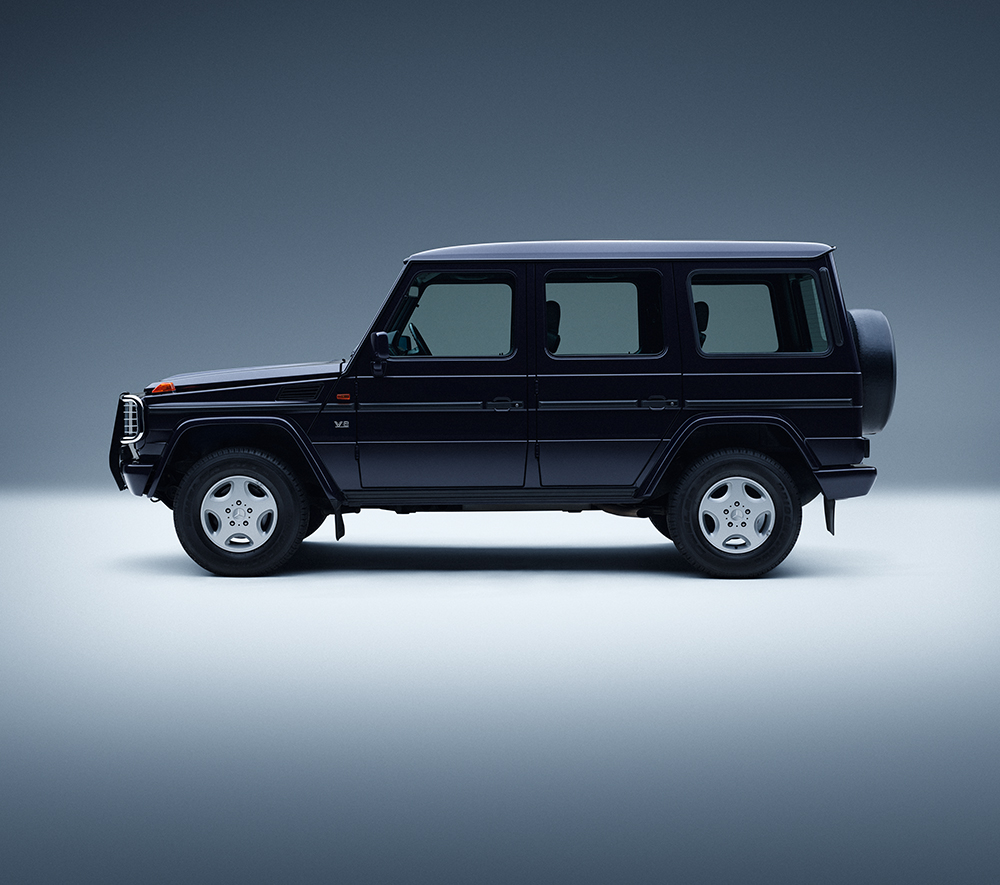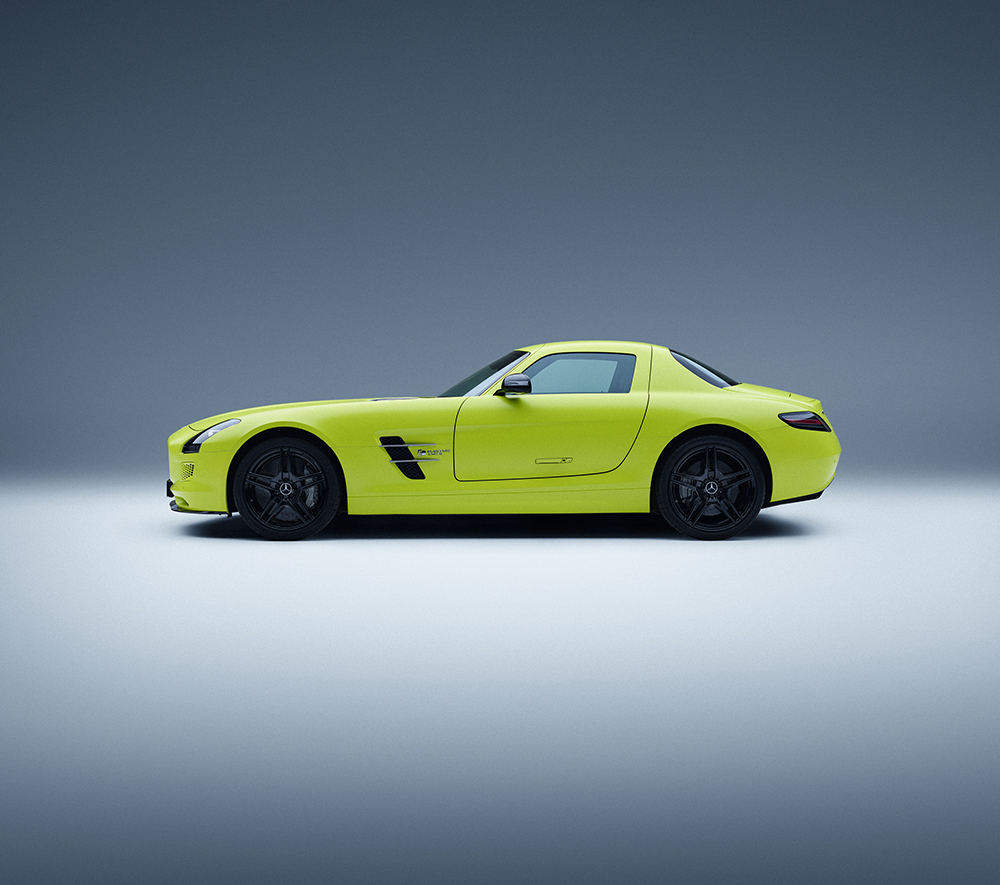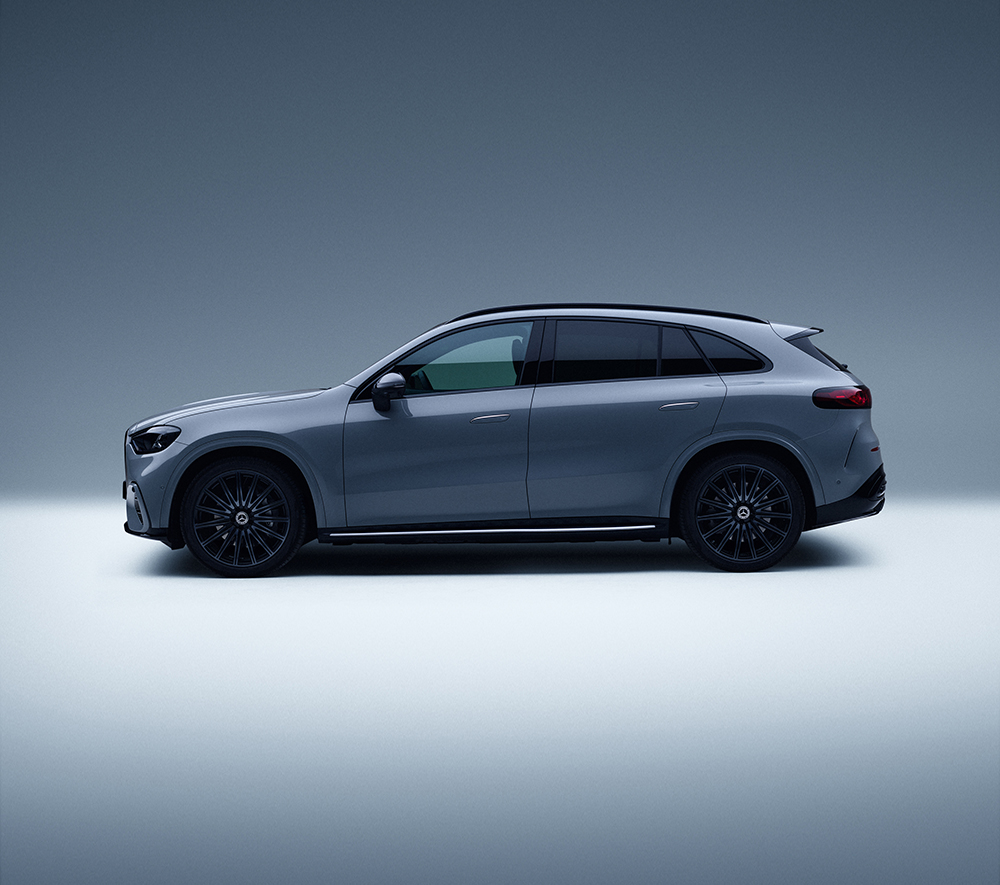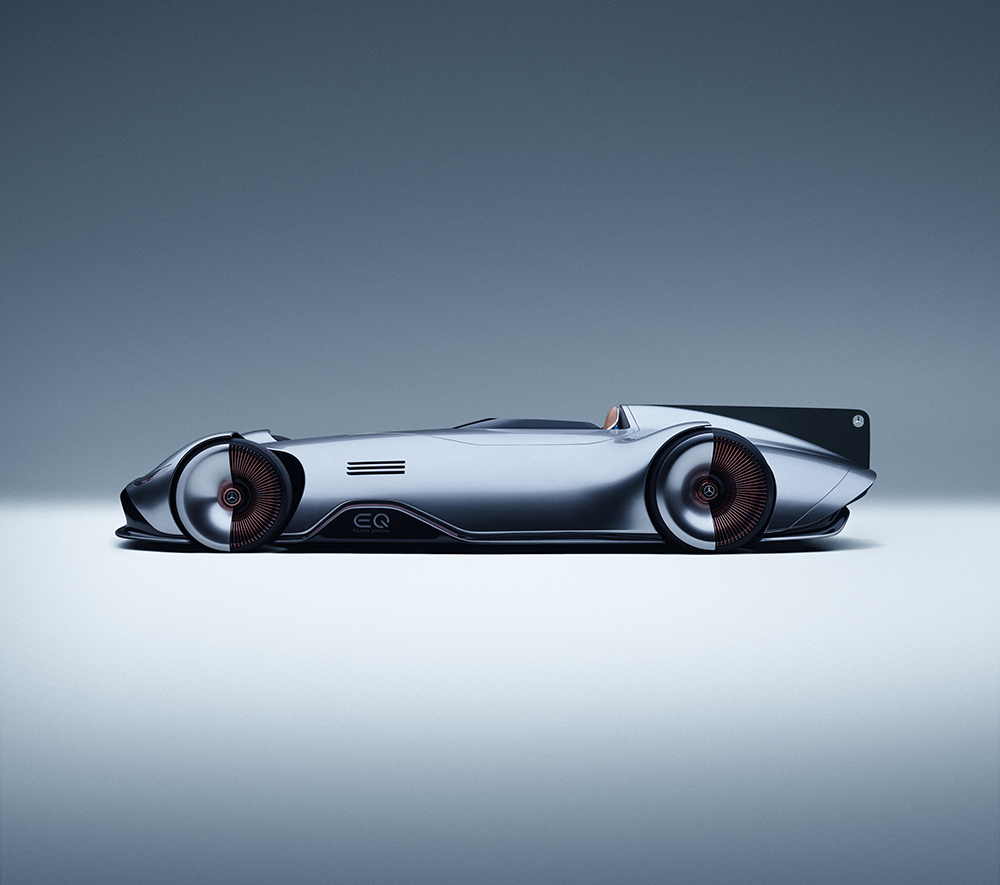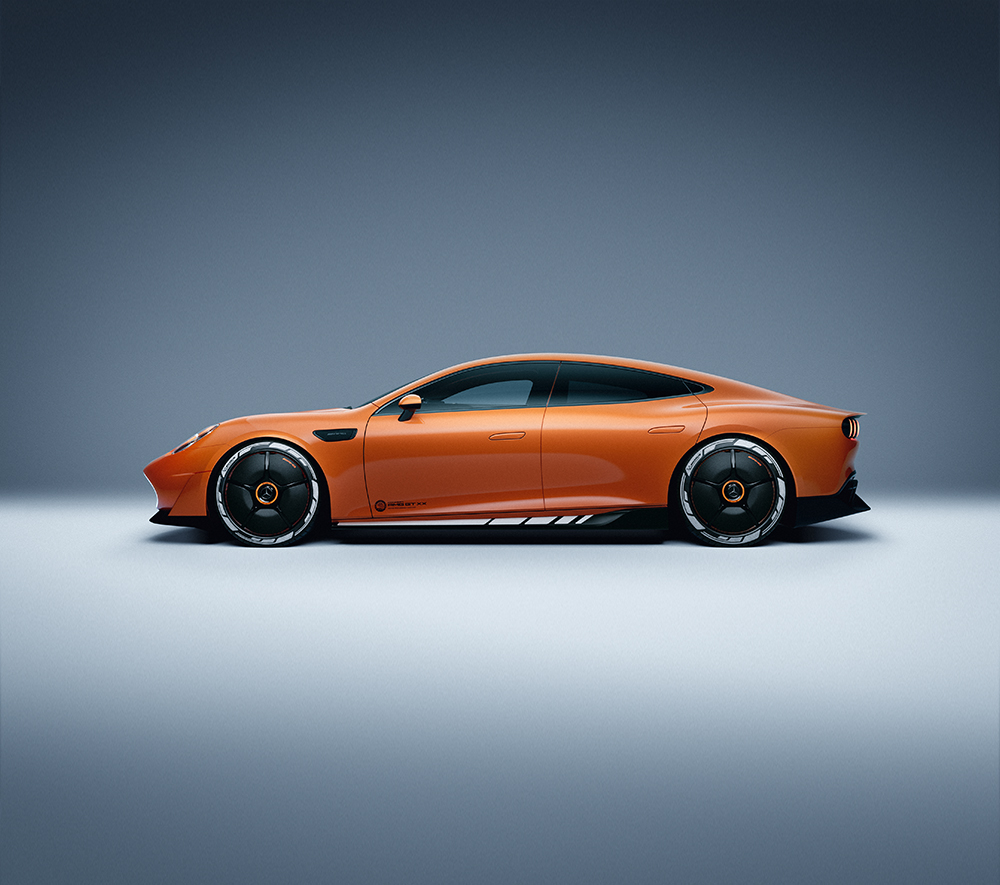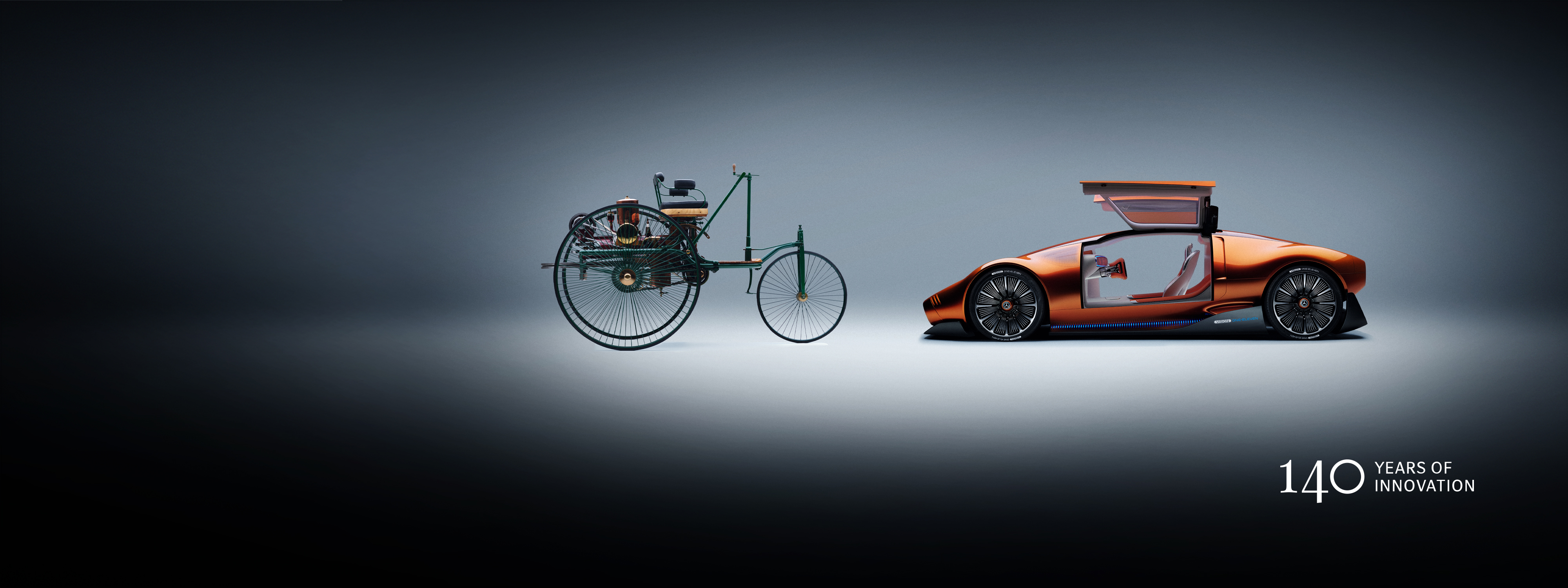

140 Years of Innovation.
Mercedes-Benz has been continuously shaping the future of mobility. 140 years at your side.
From the very first car, Mercedes-Benz has been continuously shaping worldwide mobility. Creating the industry benchmark in technology, safety, comfort and design.
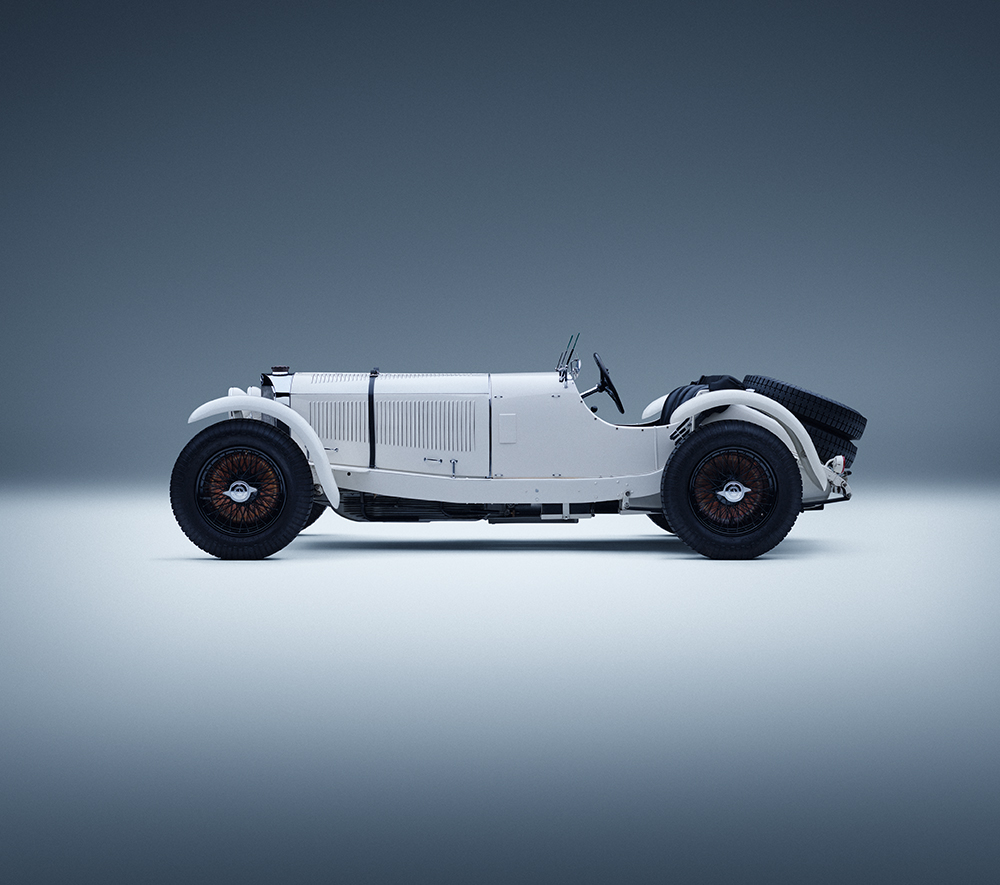
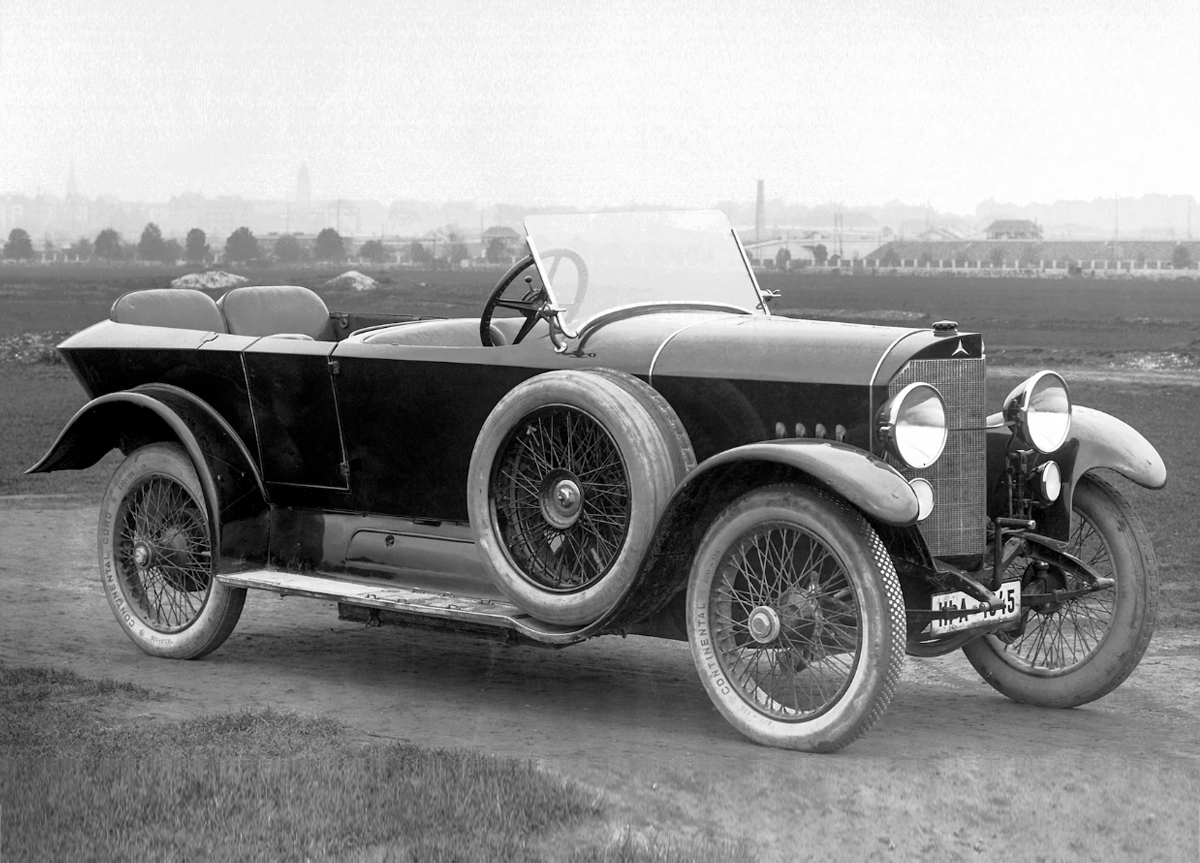
a new era in performance engineering began when Mercedes-Benz introduced the first series-production passenger cars equipped with a mechanically driven supercharger. This innovation laid the groundwork for the Kompressor models and marked a major milestone in automotive performance, delivering significantly greater power.
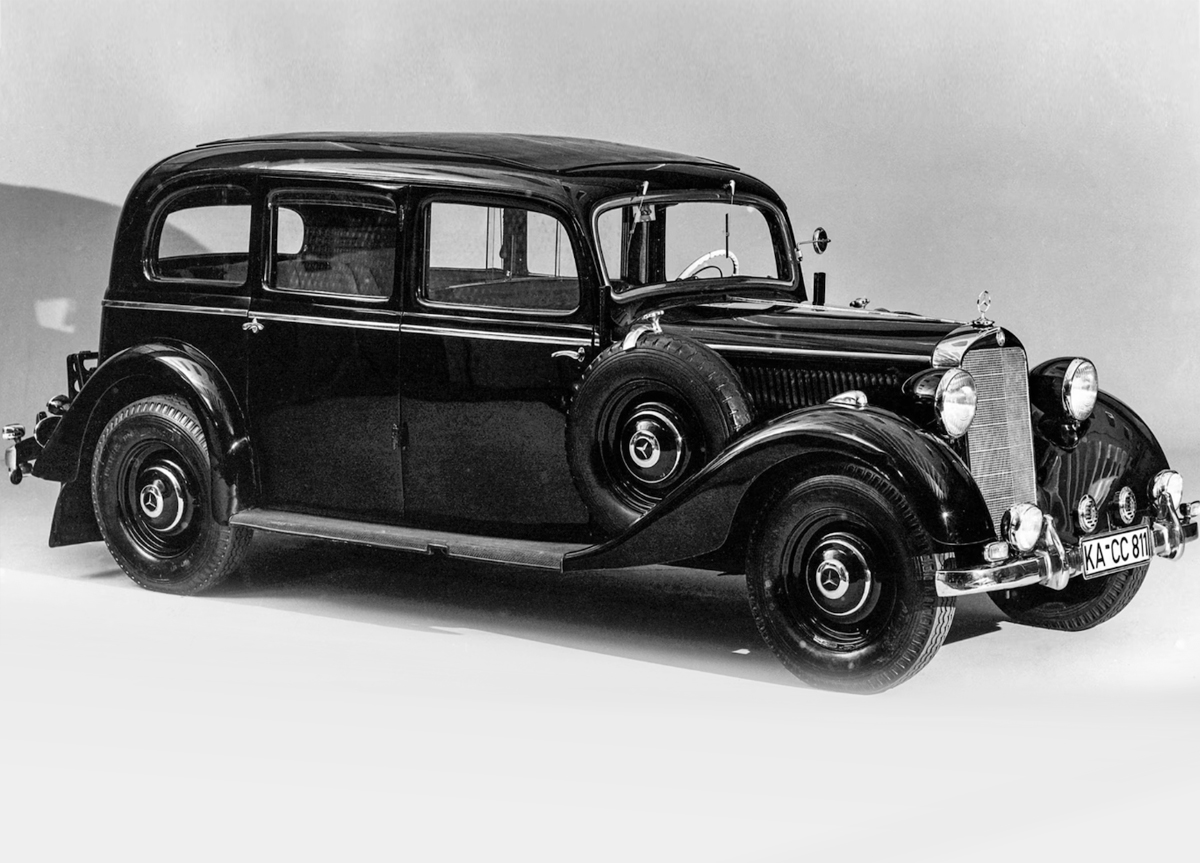
The Mercedes-Benz 260 D marked the world's first series-production diesel passenger car. By transferring diesel technology into automobiles, Mercedes-Benz established a new benchmark for long-distance capability. Driving farther made easy.
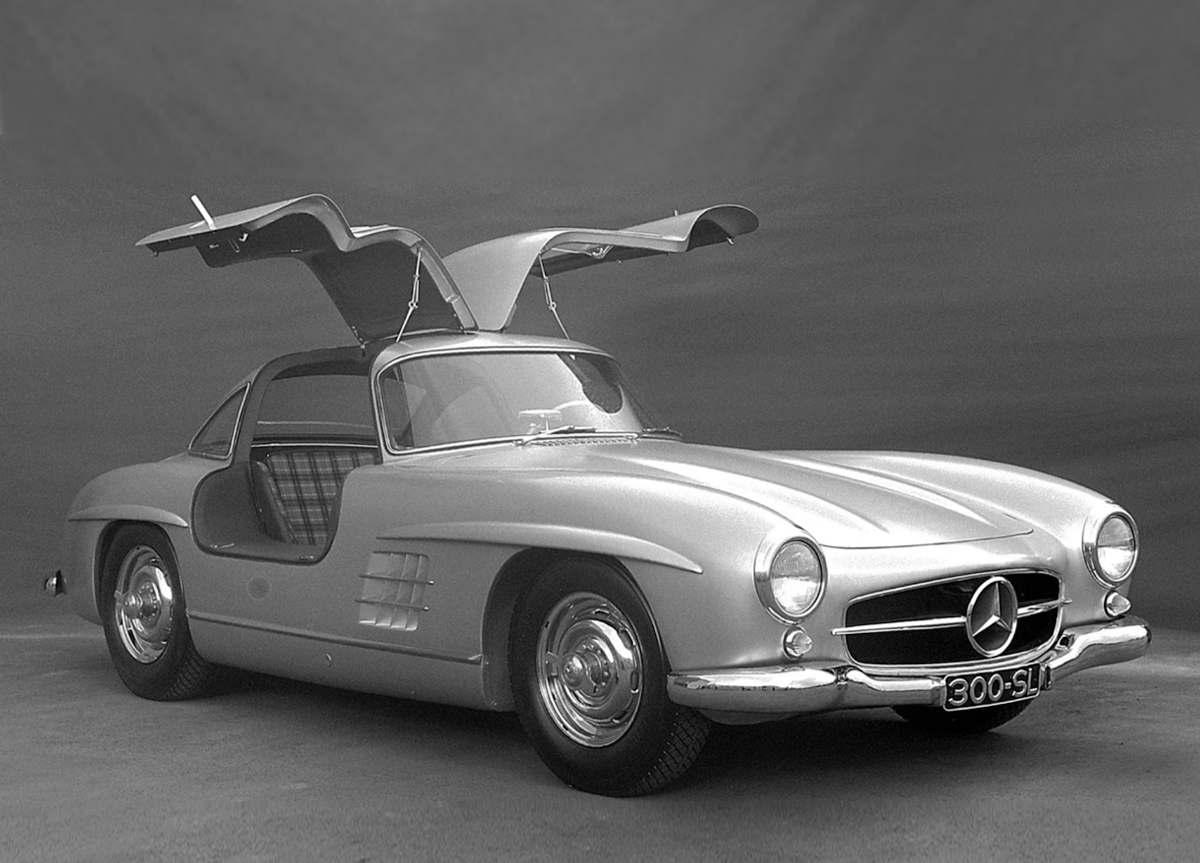
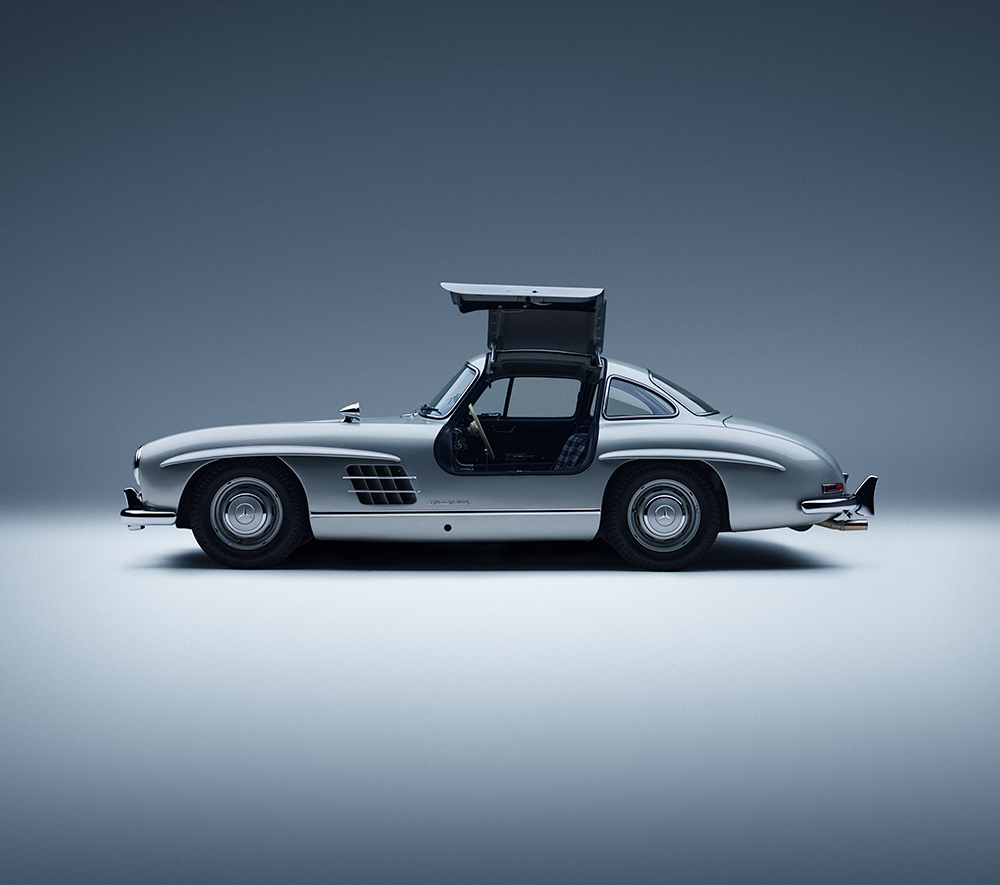
With the 300 SL, Mercedes-Benz introduced the world's first four-stroke series-production passenger car with direct fuel injection. By injecting fuel directly into the engine, power output improved. The result was greater efficiency and a new level of control over performance.
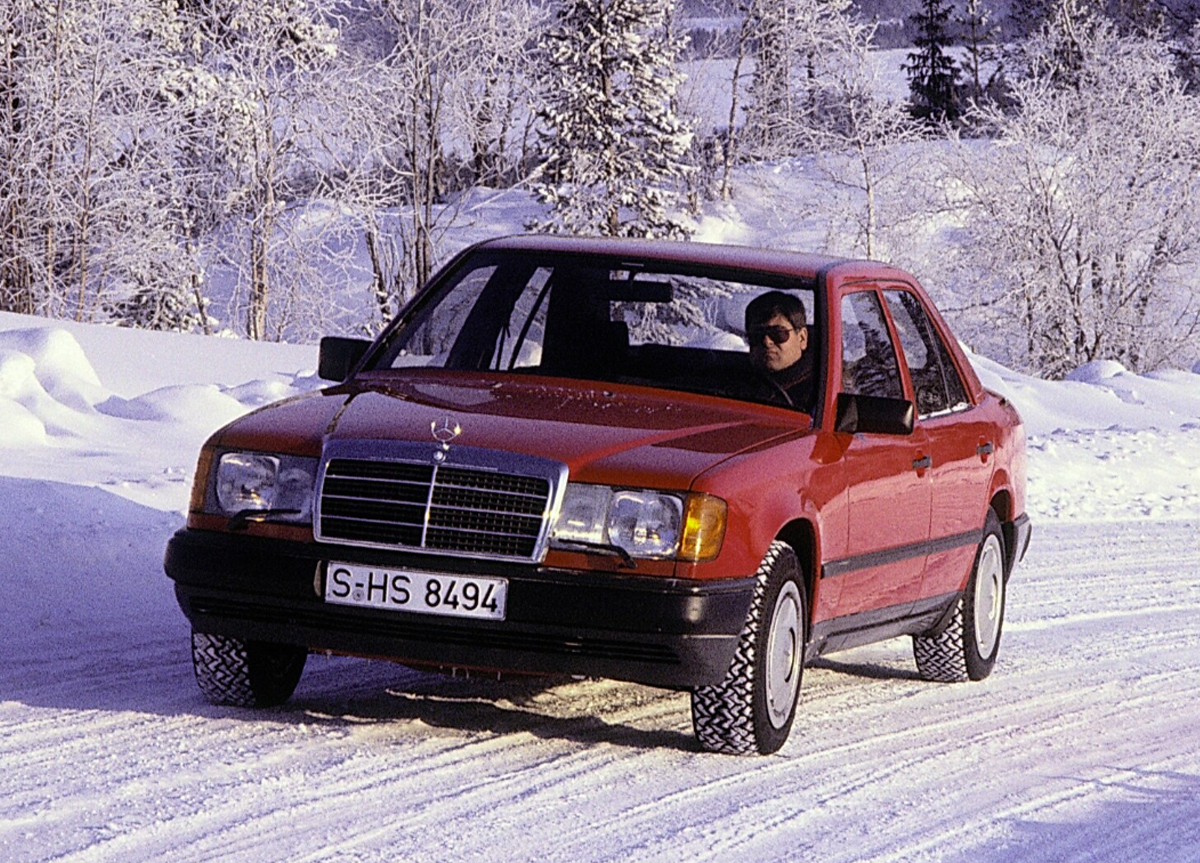
Mercedes-Benz first presented 4MATIC in 1985 at the Frankfurt Motor Show. Introduced into series production two years later, the system set a new benchmark for driving confidence. By distributing power to all four wheels, driving felt even more stable and assured, even as the road changed.
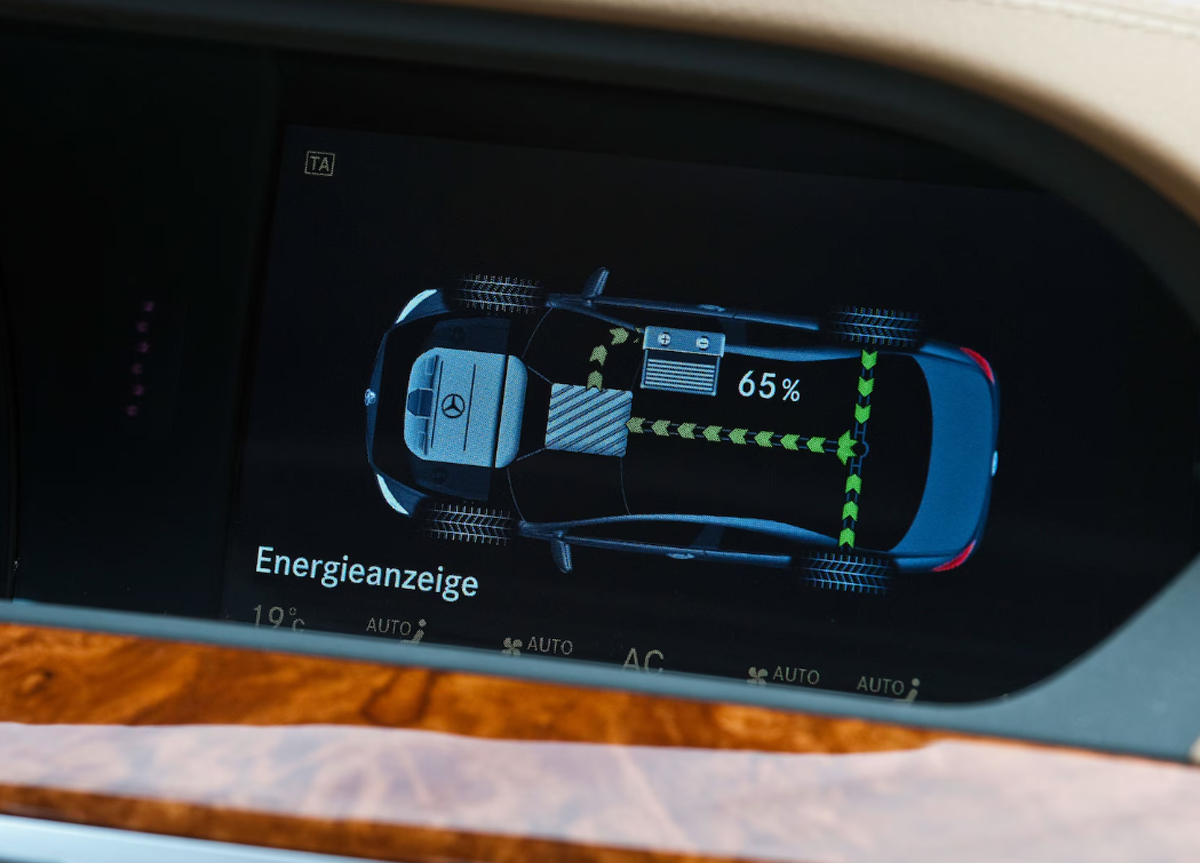
A new chapter in efficiency began in 2009 with the S 400 HYBRID. One of Europe's earliest large-series hybrid passenger cars, it pioneered the use of a lithium-ion battery in a passenger-car hybrid system and marked a practical step toward everyday electrification in the premium segment.
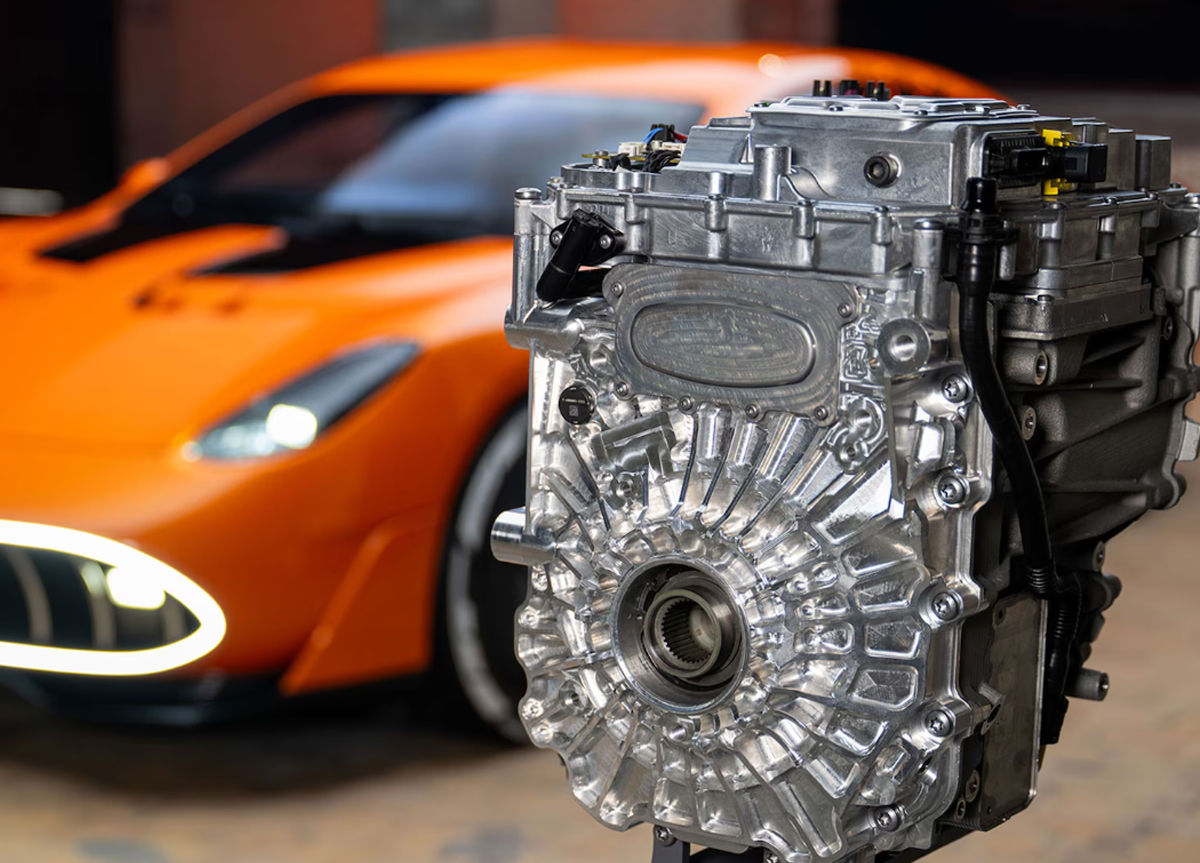
A new motor architecture was introduced in 2025. Mercedes-Benz brought YASA's axial flux electric motors into series development to generate a new way of electric performance. The compact, lightweight design provided more agile and responsive vehicles, paving the way for the next-generation high-performance EVs.
140 YEARS OF SAFETY
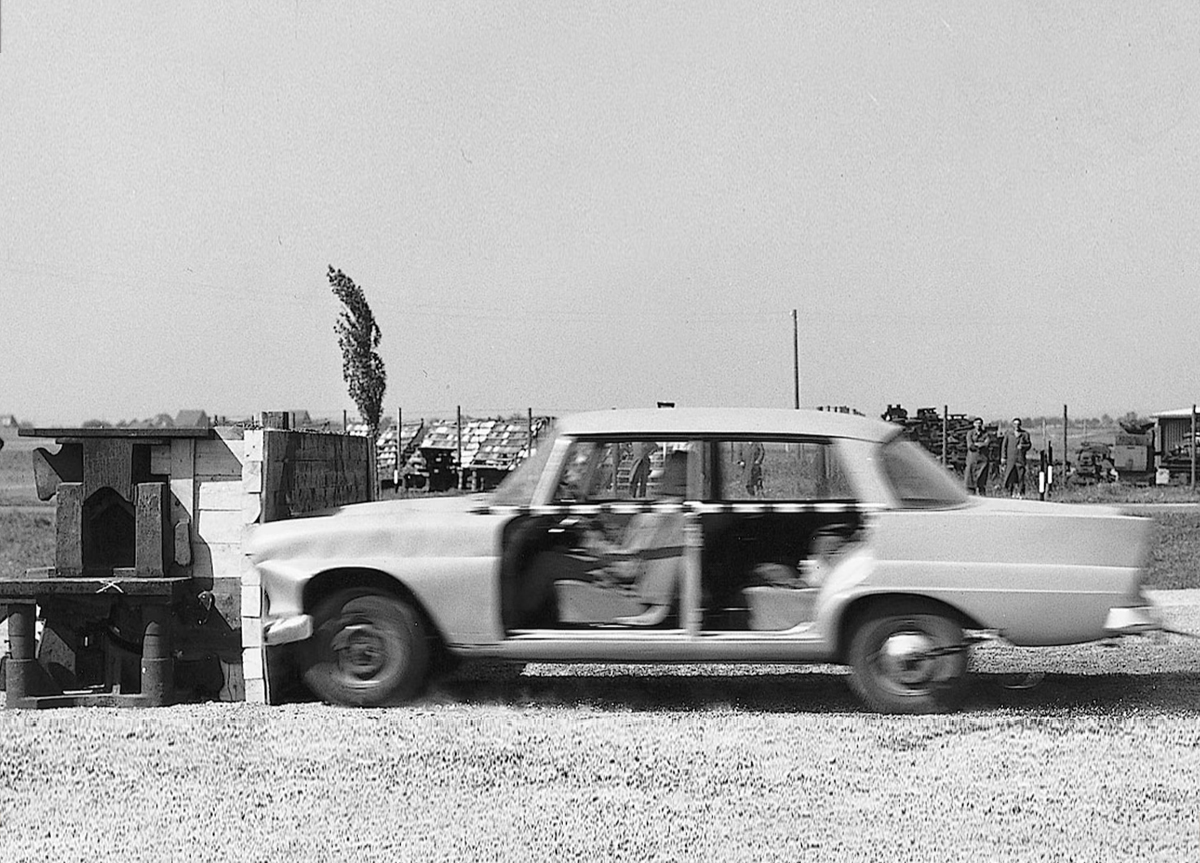
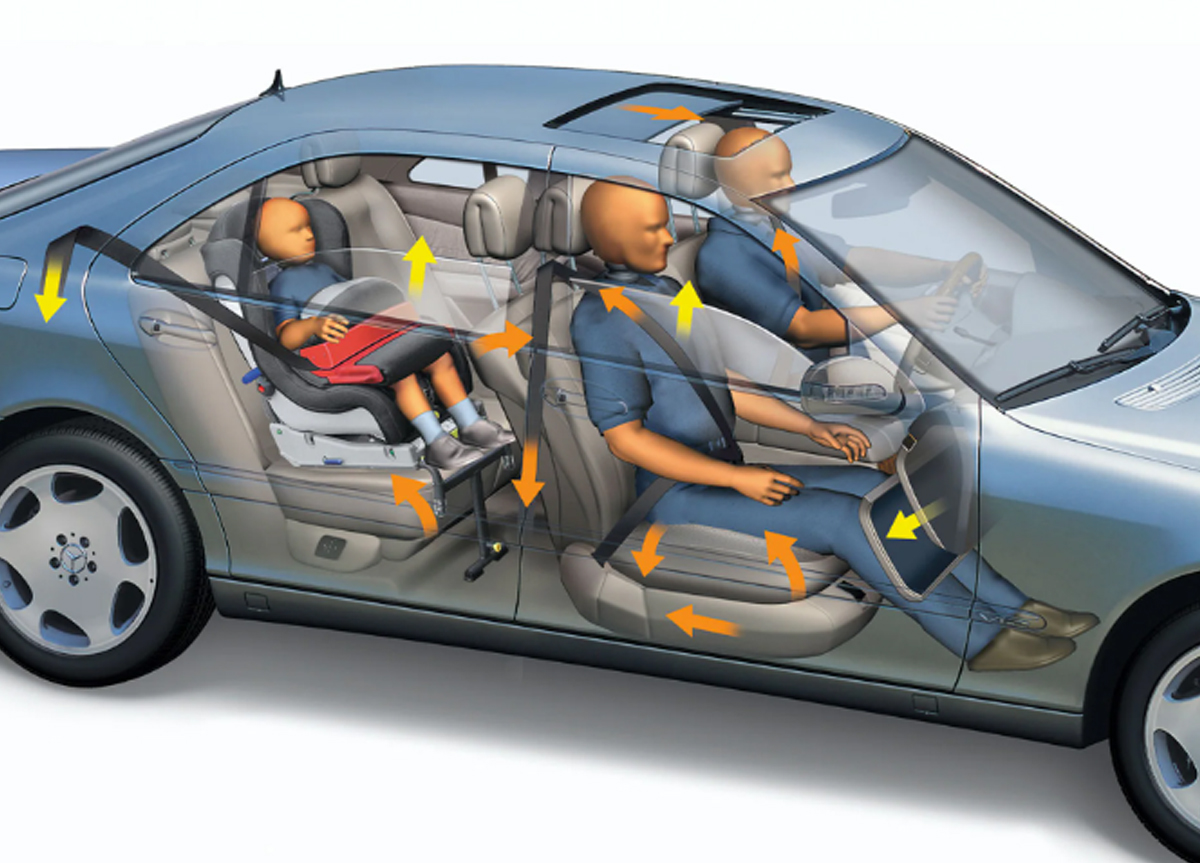
The foundations of modern crash safety: Through systematic crash testing pioneered by Mercedes‑Benz in 1959, the combination of a rigid safety cell and front and rear crumple zones established a principle that absorbs impact away from occupants. This groundbreaking research influenced automotive safety worldwide and set the standard for vehicle.
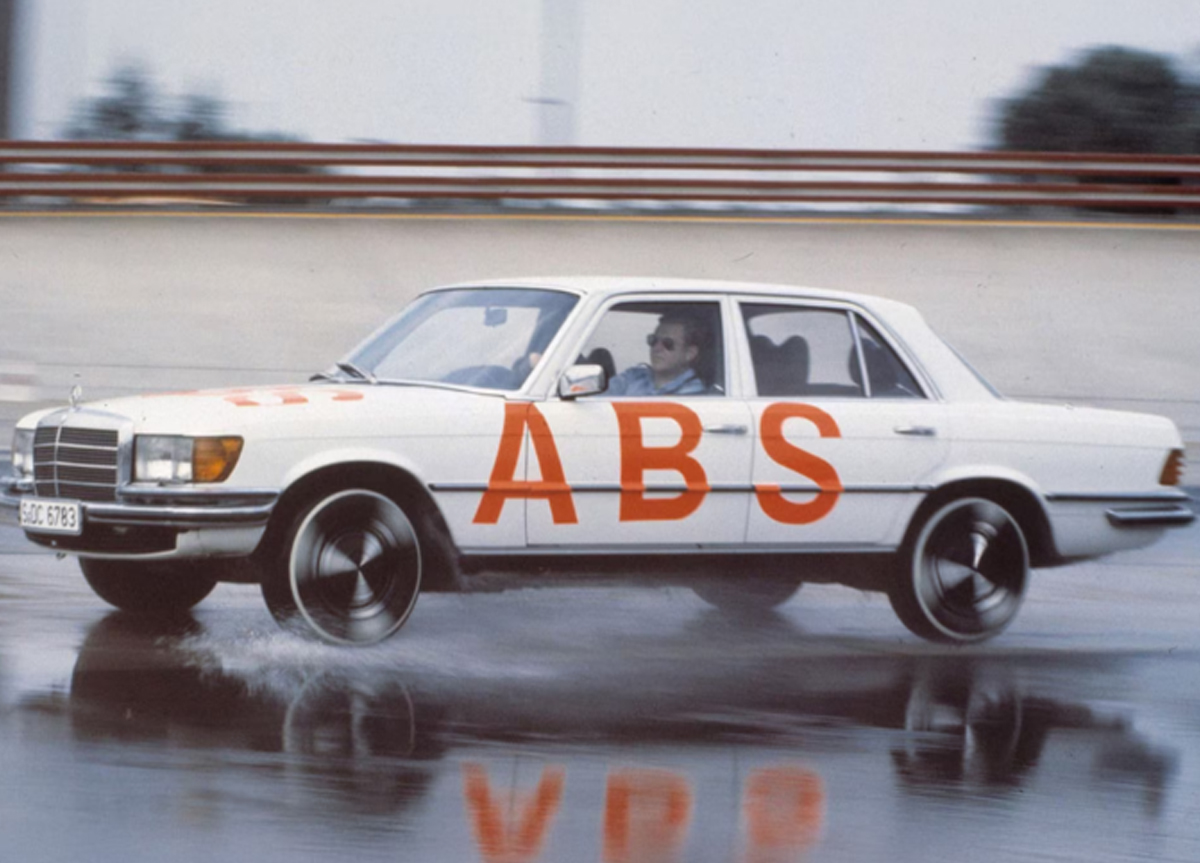
Braking became actively controlled. ABS prevented wheel lock-up during braking, allowing drivers to steer and maintain control when it mattered most. Marked as a breakthrough that reshaped safety standards across the industry.
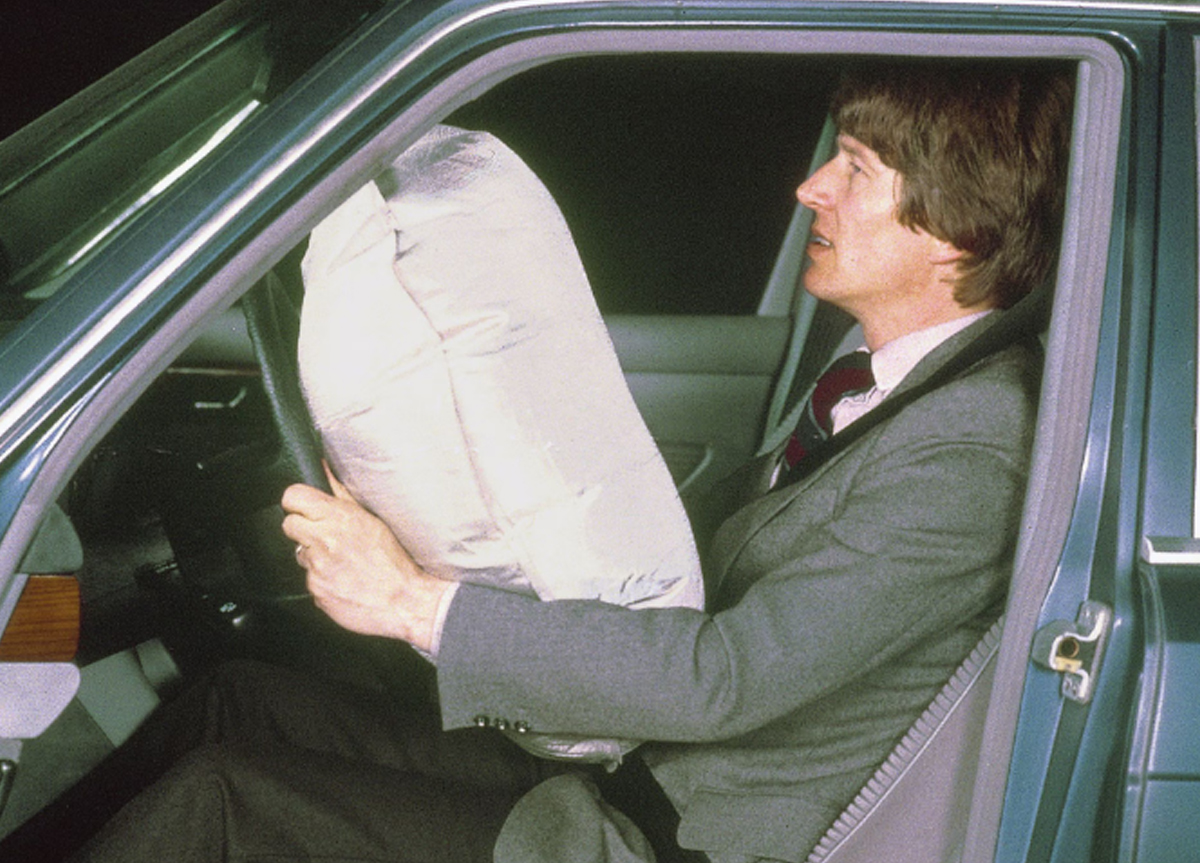
A new era of occupant protection began. First offered together in the S-Class W126, the driver airbag and seatbelt tensioner introduced a coordinated approach to passenger protection, establishing a new principle for safety in motion.
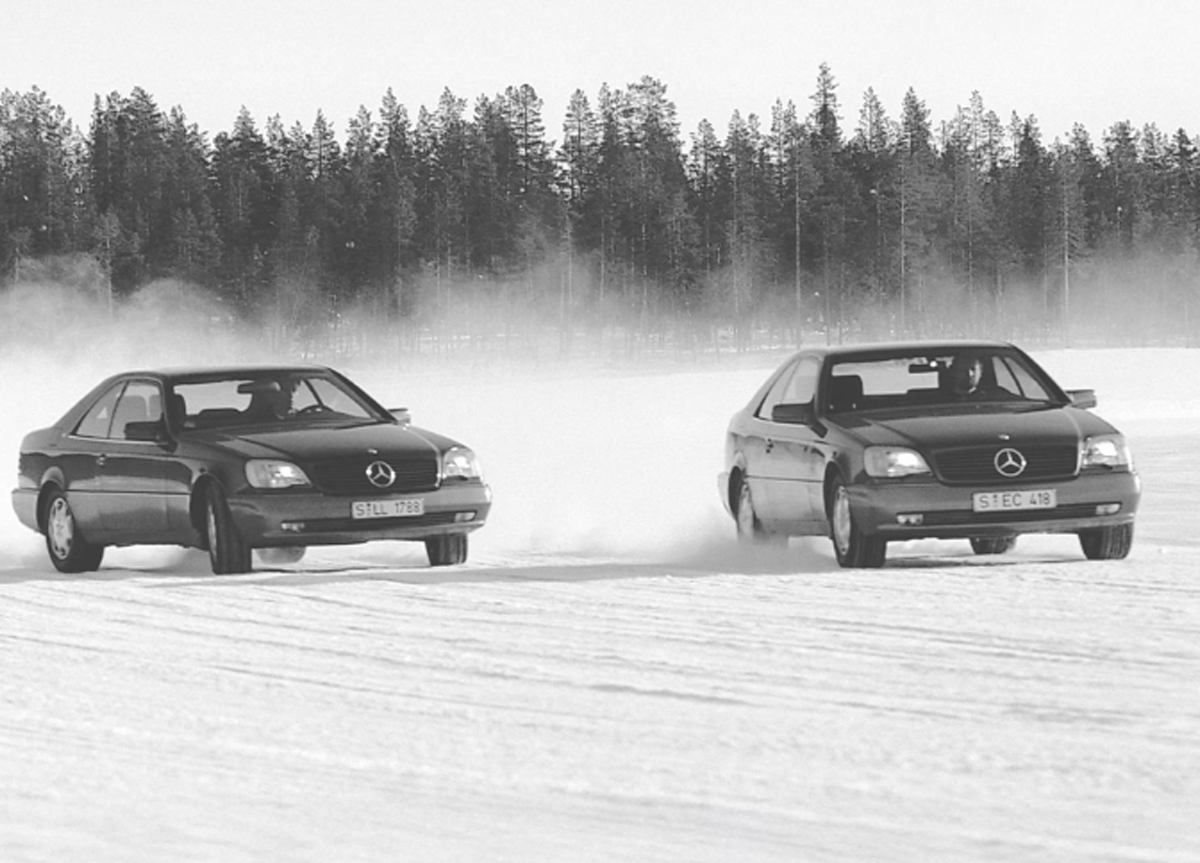
Pioneered by Mercedes‑Benz as a fully integrated, production-ready system, ESP introduced active vehicle stability, proved reliable in everyday driving and later became mandatory in many regions. Now regarded as one of the most effective safety innovations since the seatbelt and airbag.
World’s first anticipatory occupant protection system, introduced with the Mercedes‑Benz S-Class W220. Integrating protective reflexes into driving, PRE-SAFE® recognize critical situations before impact. Safety no longer waited for a collision, but prepared occupants in advance.
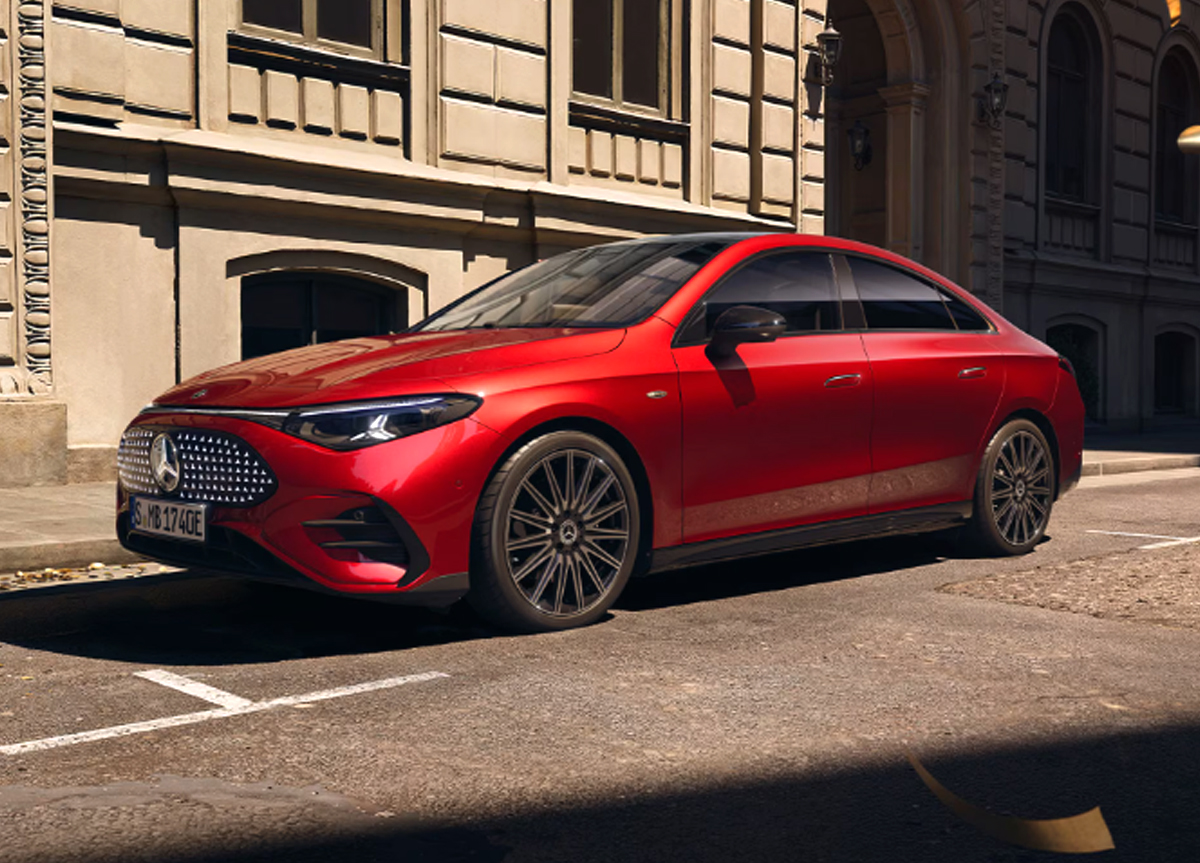
Awarded Euro NCAP Best Performer 2025, the new Mercedes‑Benz CLA achieved the highest overall standing of all cars tested in 2025, topping scores across Adult, Child, Vulnerable Road User and Safety Assist categories with a full five-star rating. It underlines Mercedes‑Benz’s commitment to making premium safety accessible.
140 Years of Comfort
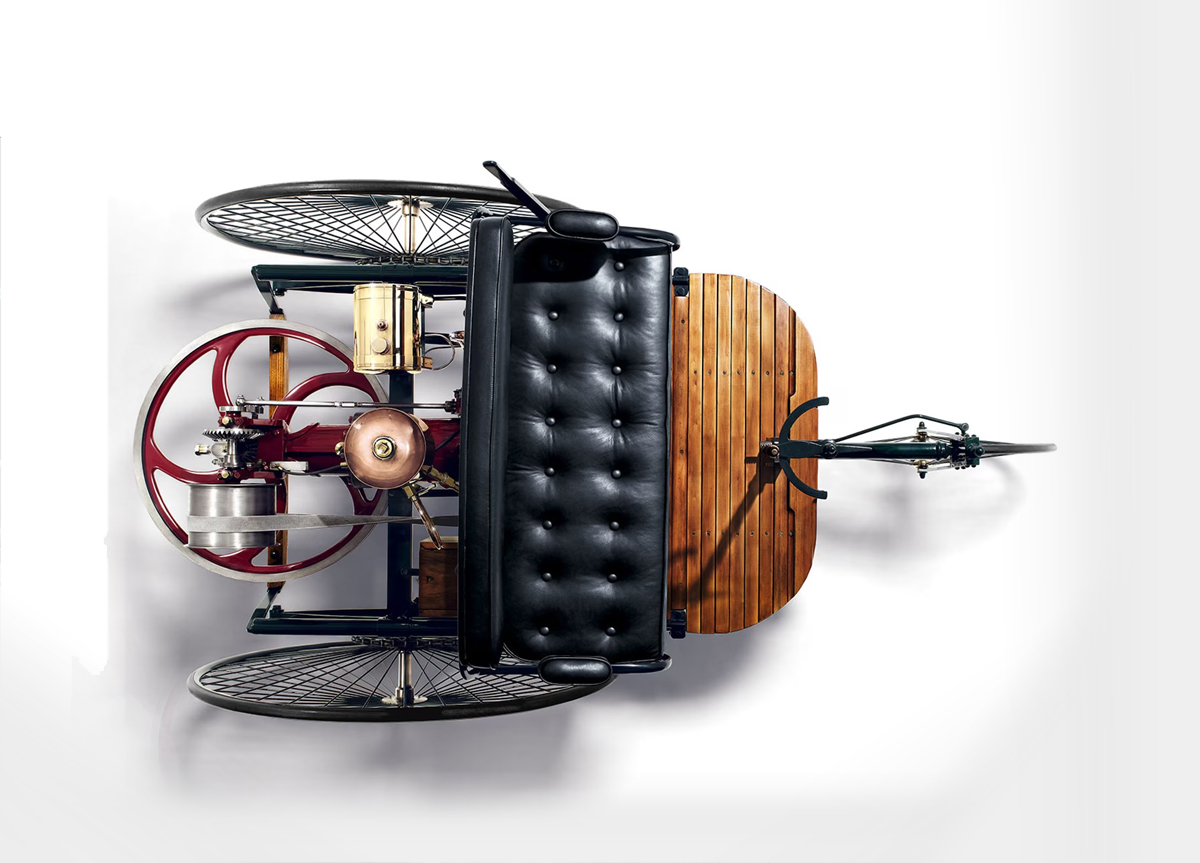
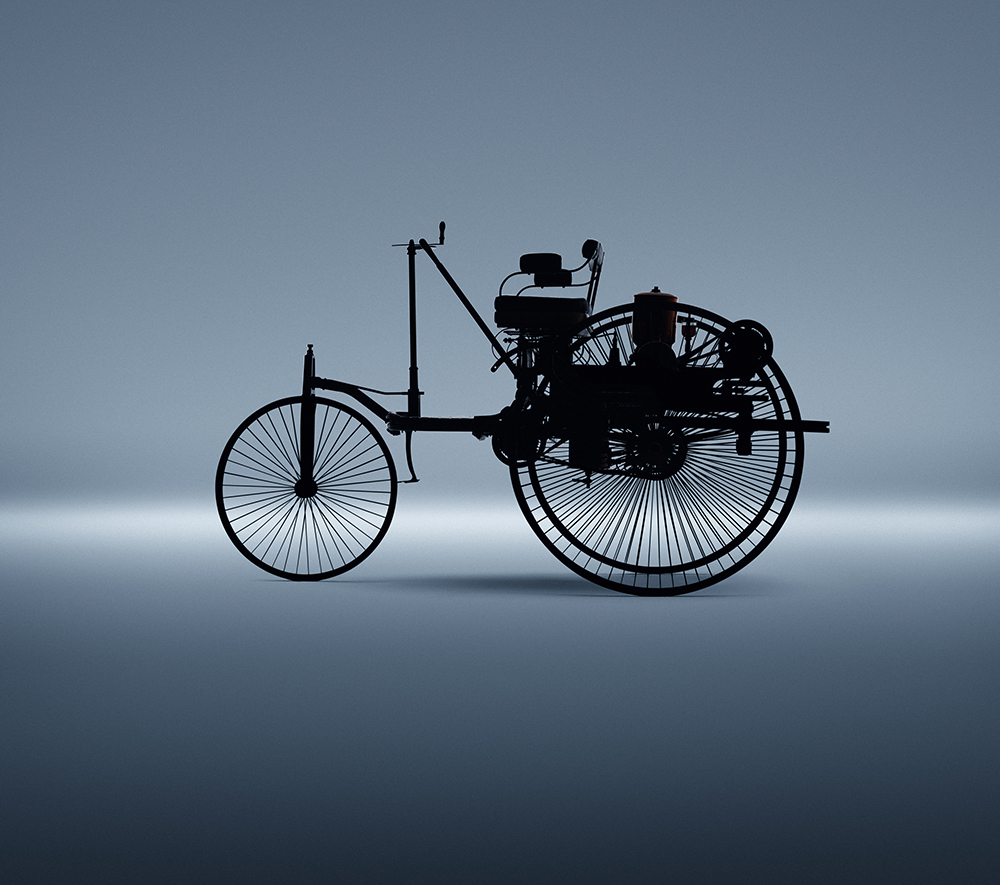
Even in the first automobile, comfort was a conscious choice. The Benz Patent-Motorwagen went beyond a basic wooden seat, and covered the benches with sprung leather upholstery and solid rubber tires to soften rough roads. Providing a smoother ride, from the very beginning.
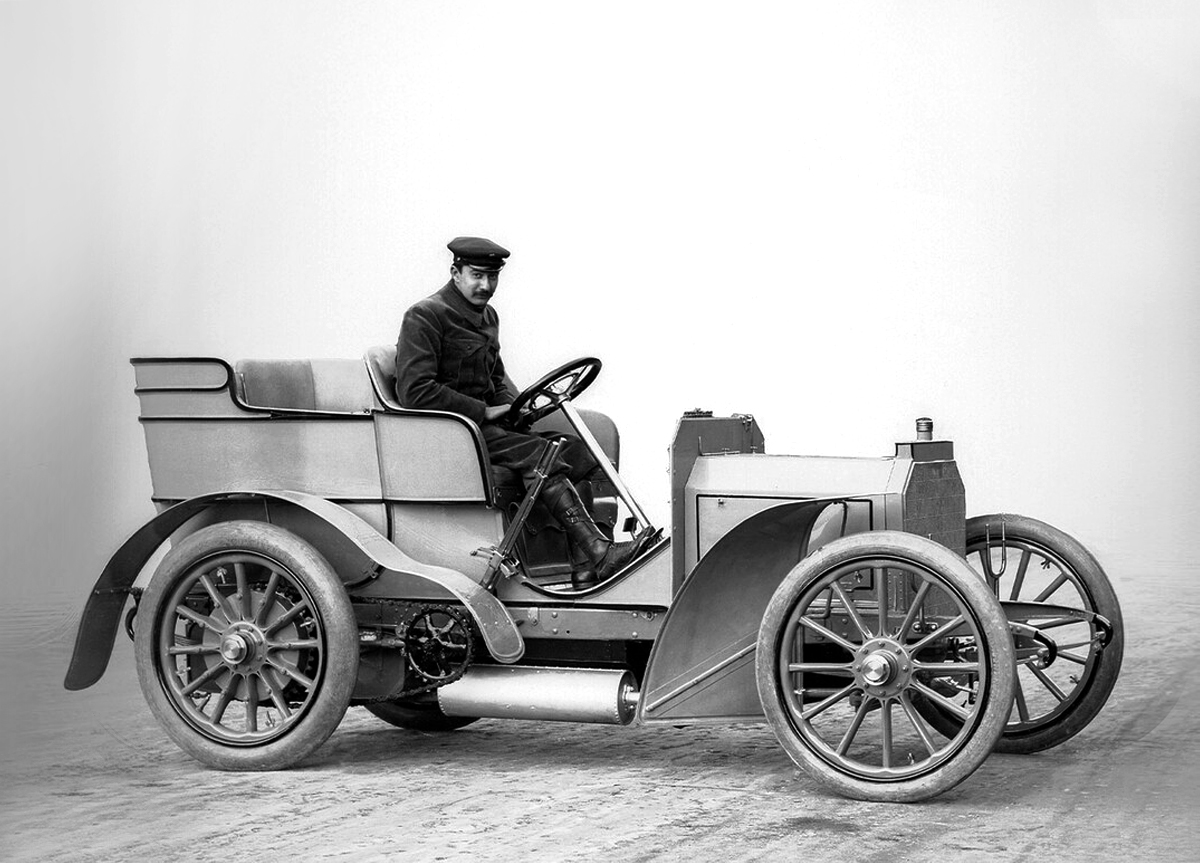
Wilhelm Maybach had already begun to develop the improved successor to the impressing first Mercedes generation in autumn 1901. They were given the designation "Mercedes Simplex", reflecting the vehicles' simplified operation.
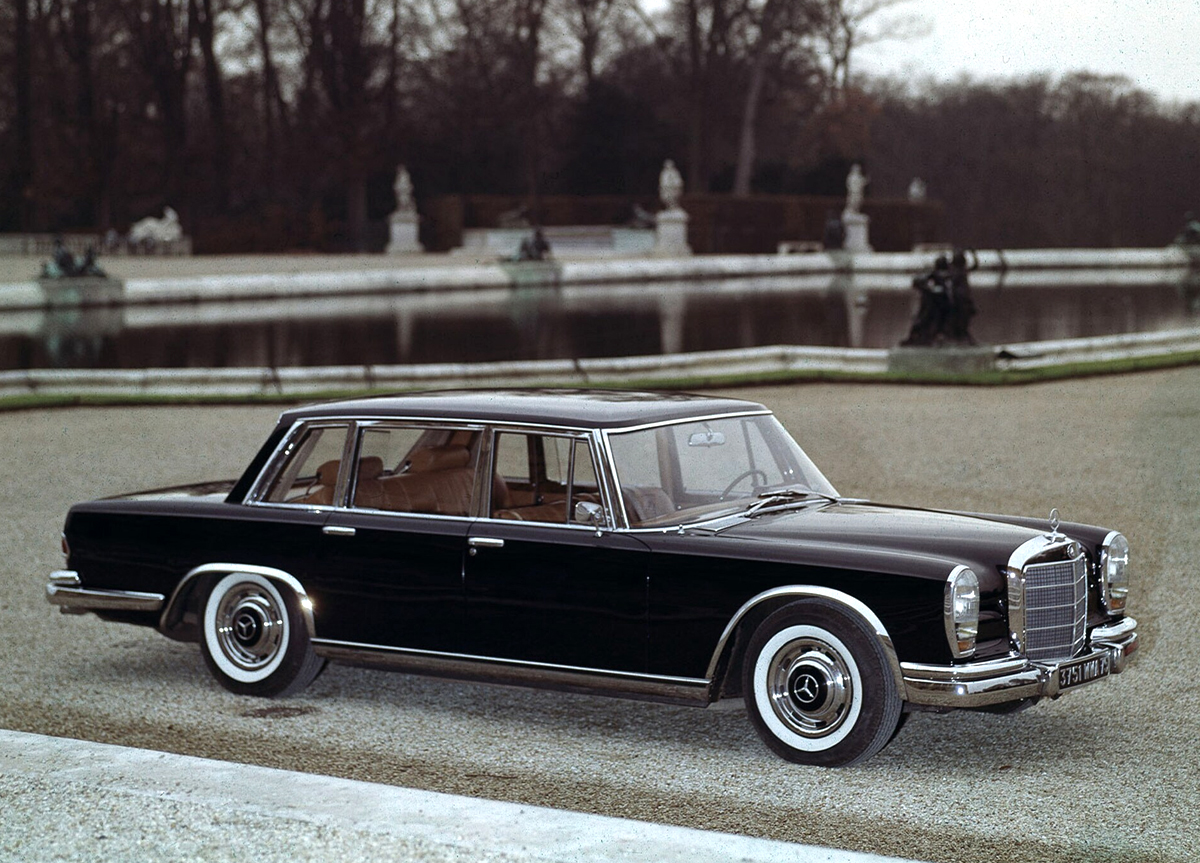
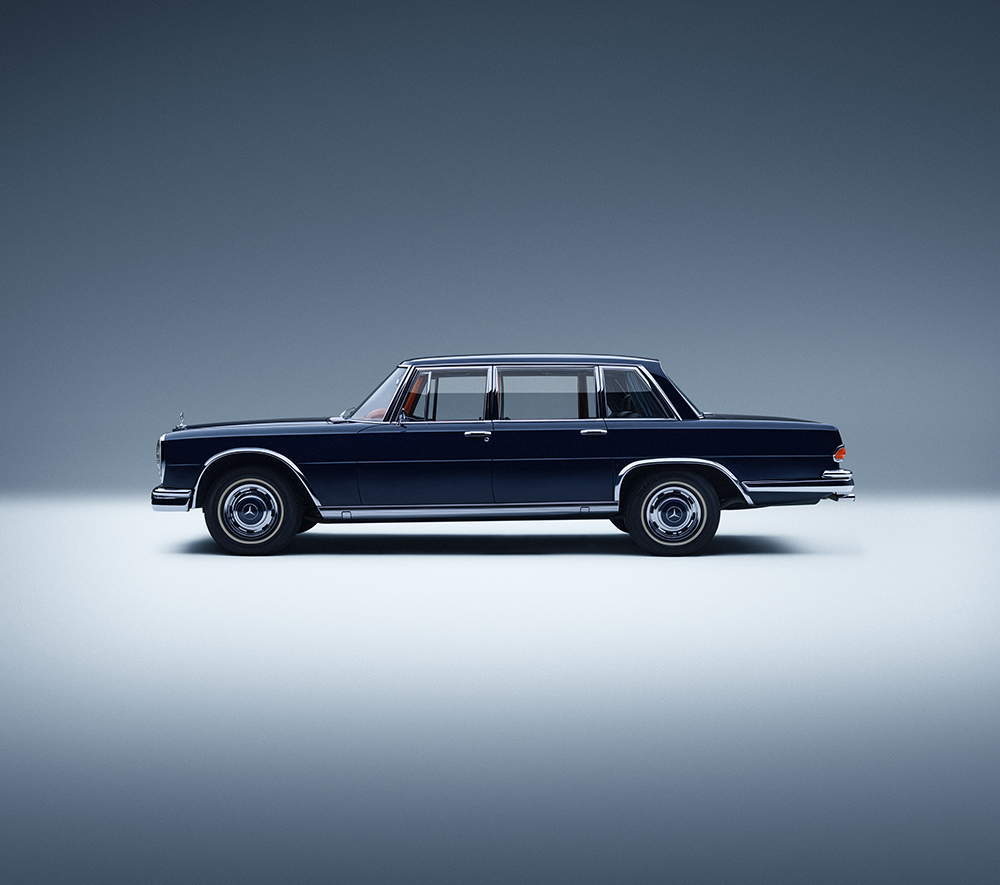
The presentation of the 600 model at the International Motor Show in Frankfurt created real sensation. The unique comfort-hydraulics for extra comfort ensured automatic operation of the following functions: horizontal and vertical adjustment of the front seats, inclination control of the back of the seat, adjustment of the rear seats in longitudinal direction, opening and closing of the vehicle doors, the boot lid, the optional sliding sunroof as well as of the side windows.
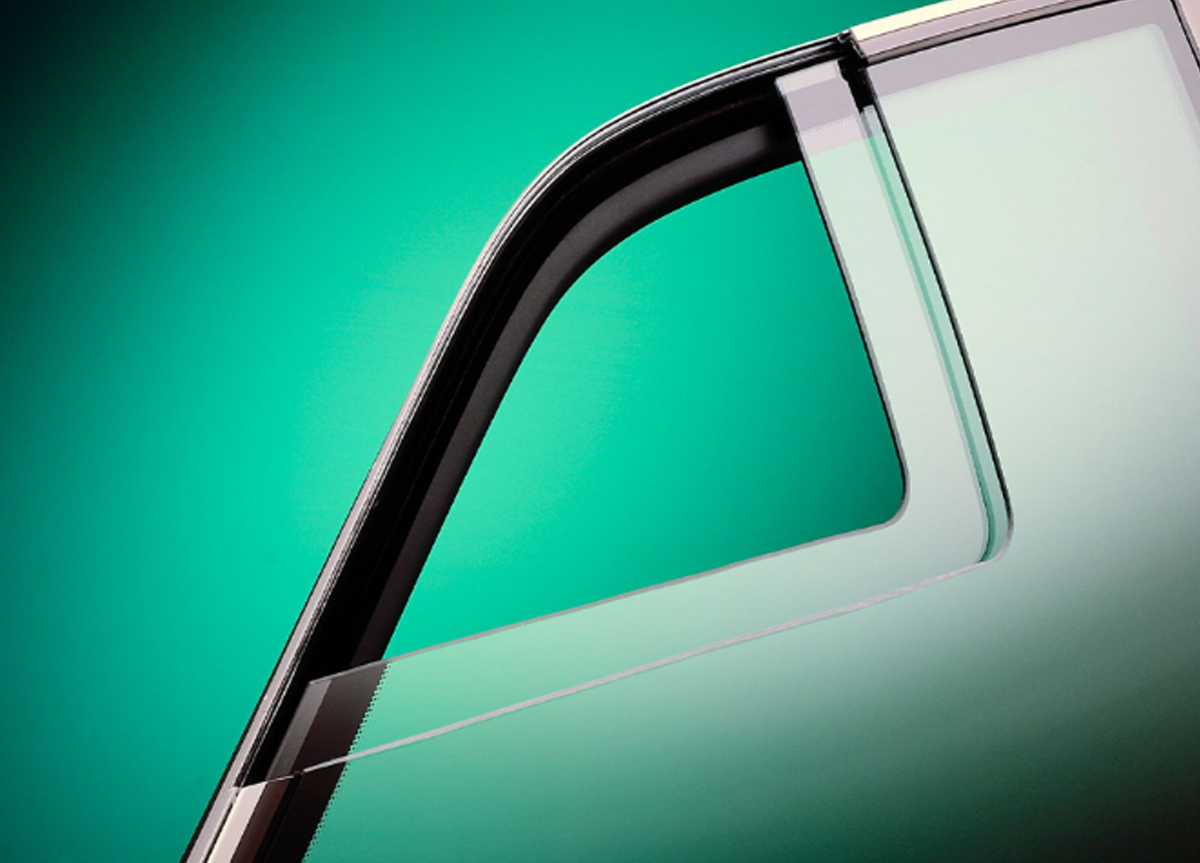
A new benchmark for interior calm was set with the S-Class of the 140 model series. By pioneering double-glazed soundproofed windows, acoustic insulation transformed the cabin into a retreat. Followed by personal climate control innovations allowing each passenger to set their own temperature individually.
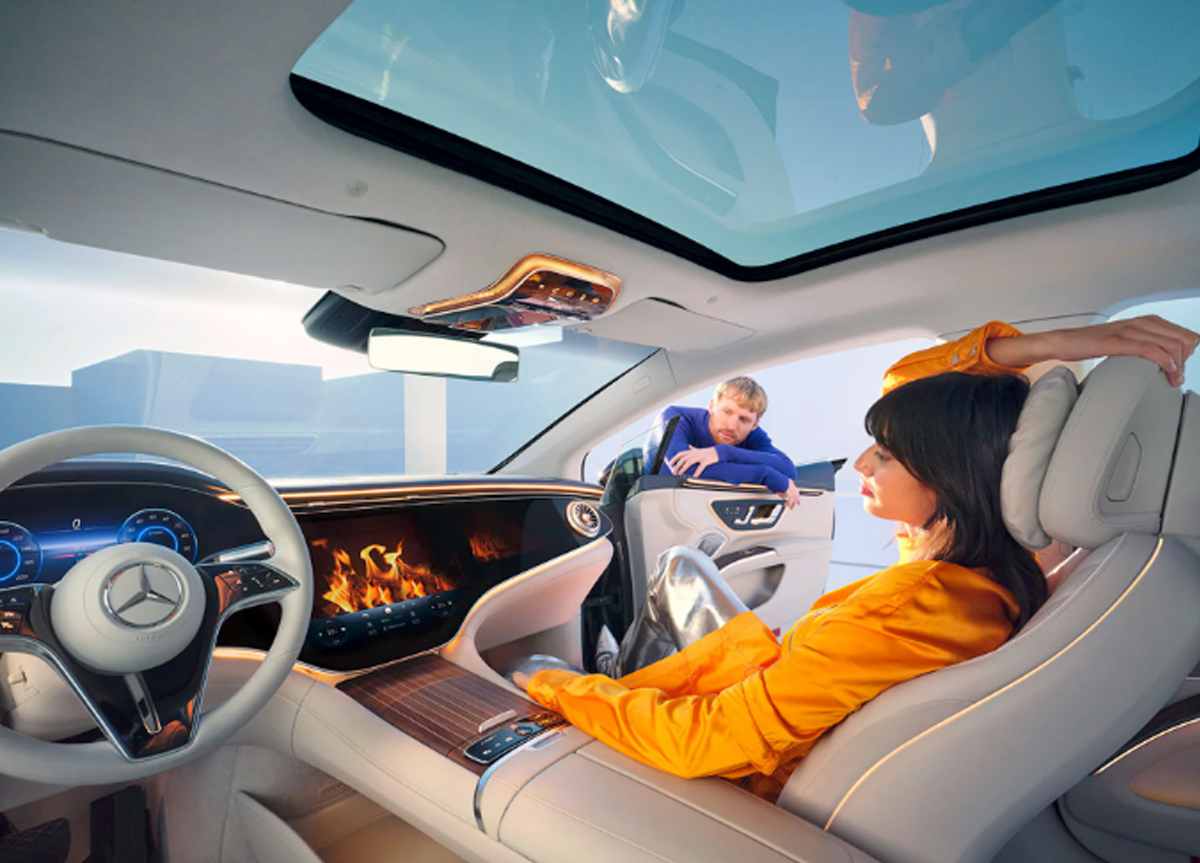
In 2017, comfort became holistic wellbeing. With ENERGIZING Comfort, Mercedes‑Benz introduced a world-first system that synchronized climate, seating, light, sound and fragrance into curated programs — designed to refresh the body, calm the mind and support how people feel.
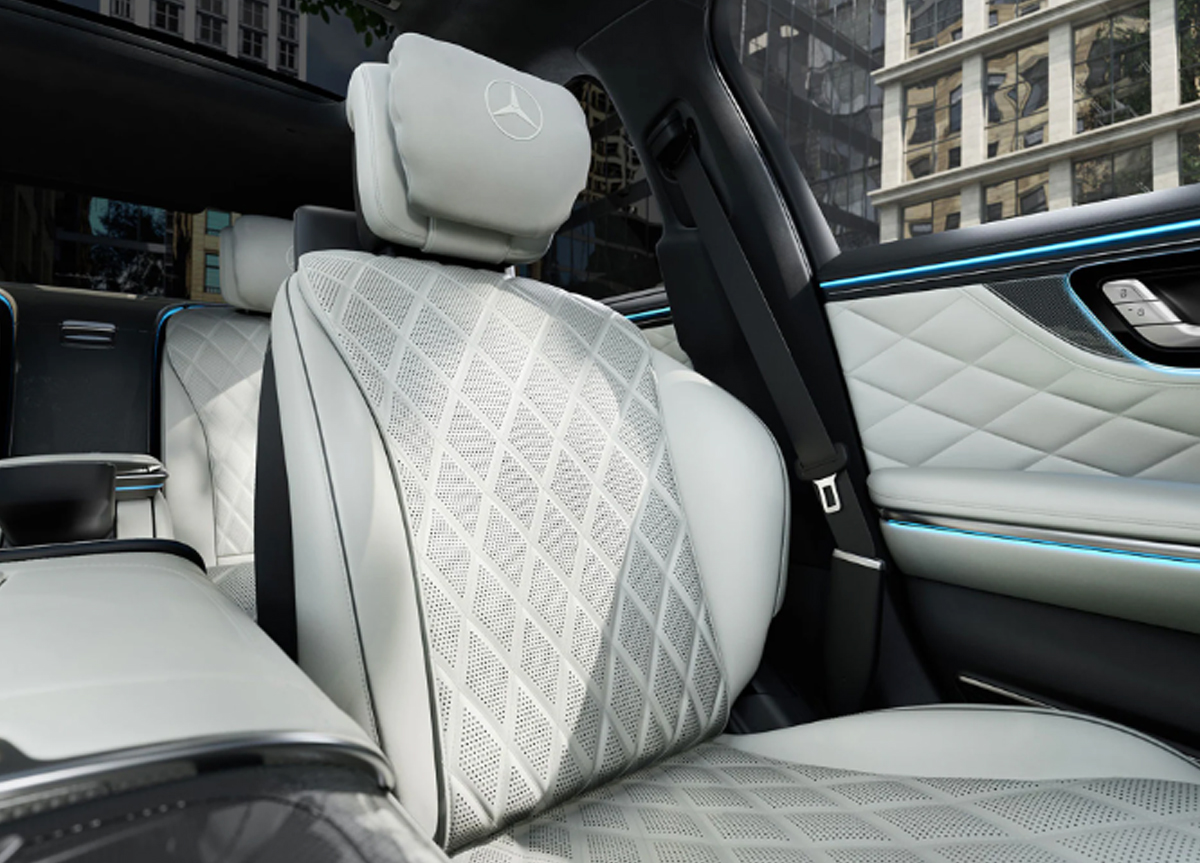
The new heated front seatbelts bring a cozy feeling to the exclusive comfort of the S-Class that feels like a warm hug.
Celebrating 140 years of legacy
Inspiring progress. Evolving always. Remaining unmistakably Mercedes‑Benz.
A purposeful design language built around technology, safety, comfort,
and has been producing icons for generations.
Always driven by 140 years of legacy and the possibilities of tomorrow, innovation at Mercedes-Benz will continue to move the world forward. Leading the way with a profound commitment to human needs, creating icons that inspire, and shaping the future of responsible mobility. Welcome to Mercedes-Benz. Welcome home.